AcademicsWISS Early YearsApril 16, 2026
Do You Want a Cookie-Cutter Child? Neither Do We.
Instead of giving your child another task to complete, give them the tools to create.
Instead of giving your child another task to complete, give them the tools to create.
Every summer, it starts the same way.
Academic worksheets get printed. Tutors get booked. Children spend July and August drilling the same skills they have already spent nine months practicing.
Then September arrives.
Many of those same children return to school a little more tired, a little less curious, and a little more convinced that learning is something they have to do, rather than something they enjoy.
But the future won't belong to people who simply follow instructions. It will belong to people who can think creatively, solve problems, adapt to change, and care about others.
Those skills are rarely developed through another worksheet.
They are built slowly, messily, and joyfully. Often through failure. Often through play.
So this summer, try something different.
Give Them the Tools
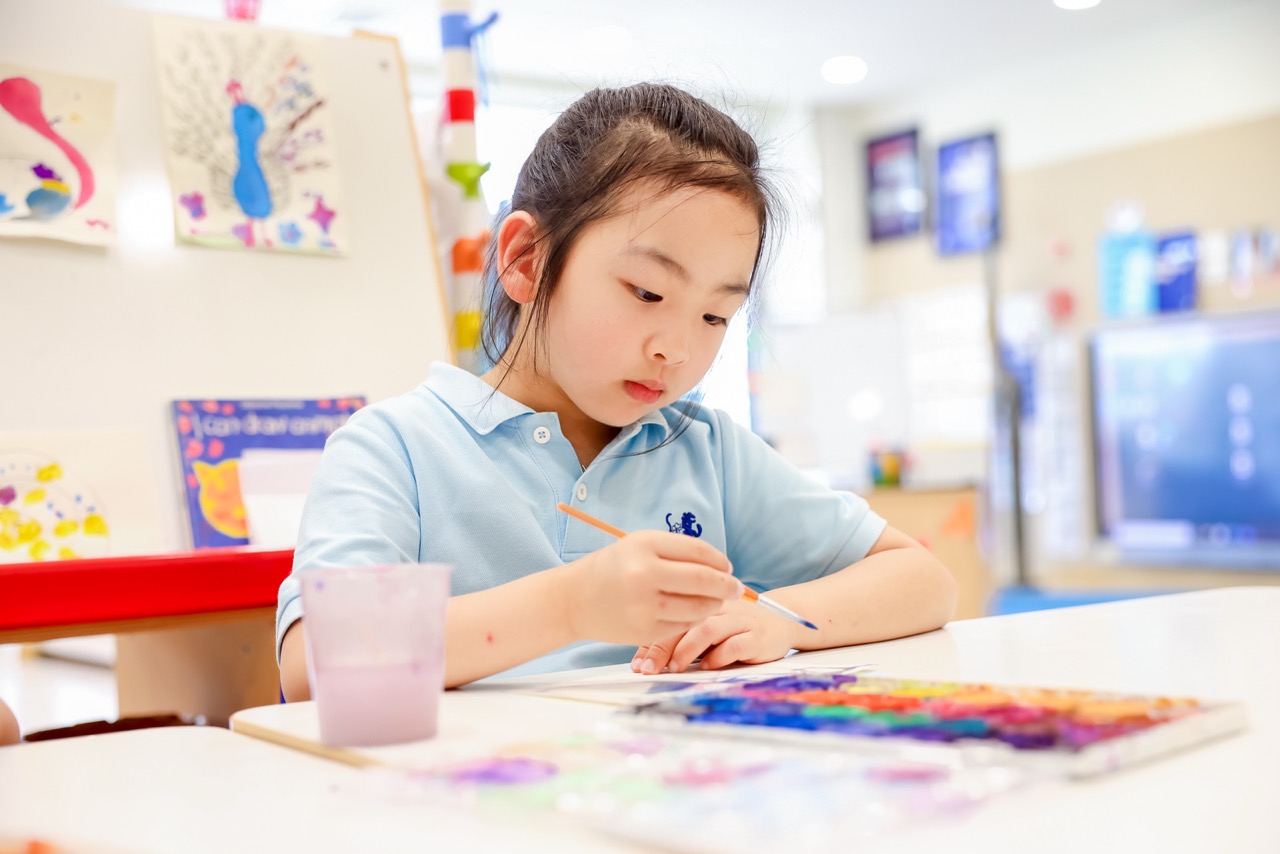
Instead of giving your child another task to complete, give them the tools to create.
Hand them a cardboard box, some paint, a piece of clay, or a few everyday items headed for the recycling bin and simply say:
"Can you build something that would improve our home?"
You might be surprised by what happens next.
One child turned an old cereal box into a three-storey home for an imaginary family, complete with a rooftop garden and a tiny lift made from a paper cup and string. She spent hours planning, building, testing, and redesigning without once asking for help.
Moments like these develop creativity, resilience, and problem-solving skills. Children learn that great ideas don't come from being told what to do—they come from being given the freedom to explore.
Get Outside and Get Messy
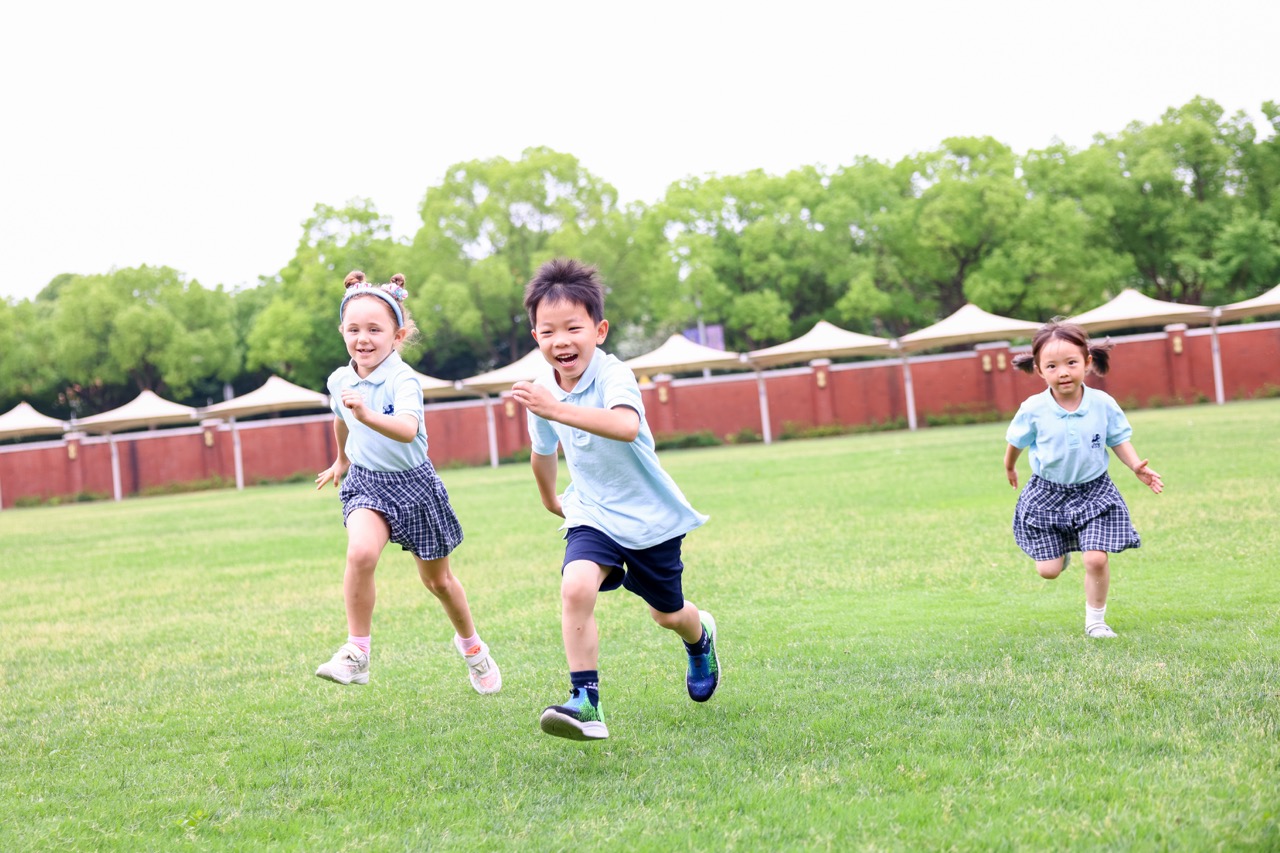
Screen time naturally increases during the holidays. Yet some of the most valuable learning experiences happen away from screens.
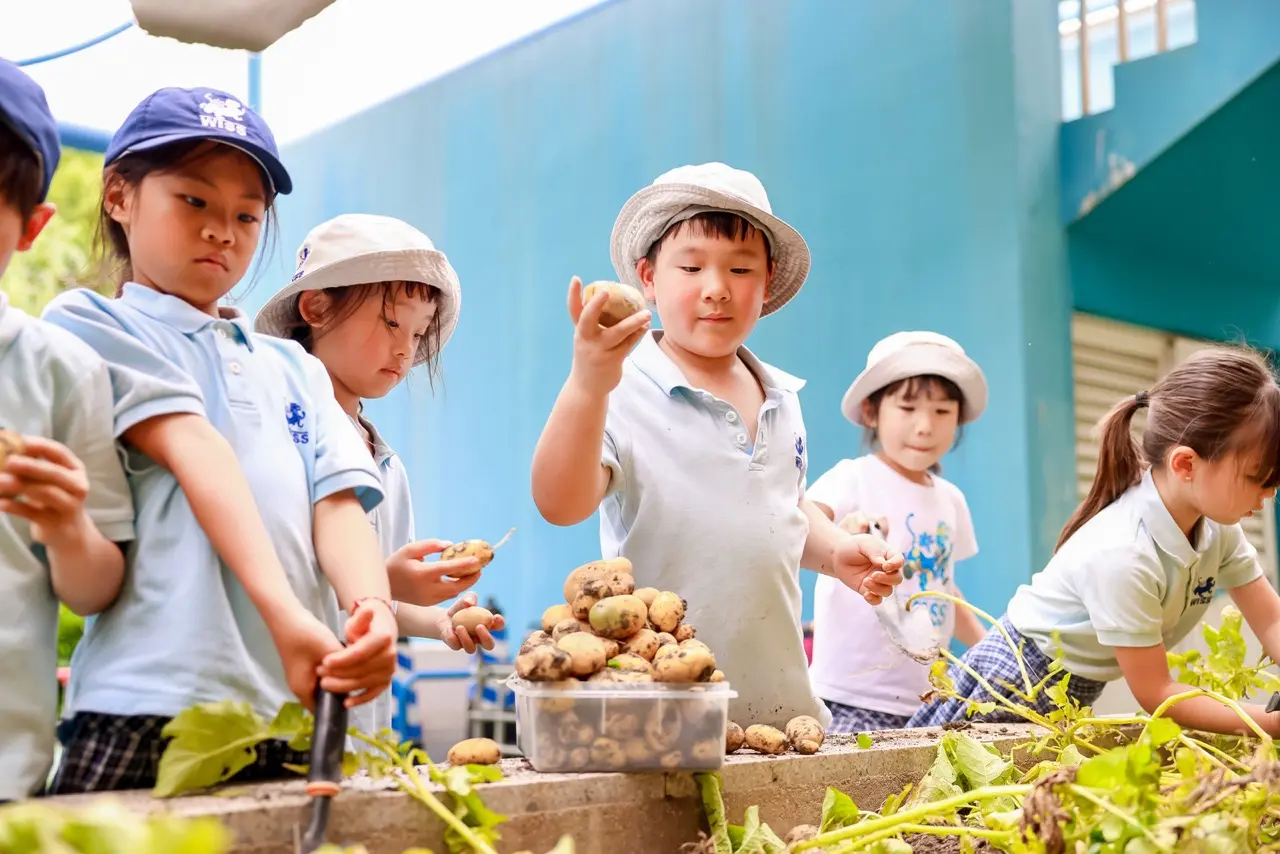
Take your child out of the air-conditioned living room and into the park. Let them climb, build forts from fallen branches, observe insects, collect leaves, and get dirt under their fingernails.
Unstructured outdoor play teaches children how to assess risk, adapt to challenges, negotiate with friends, and become comfortable with uncertainty—all without a single lesson plan.
The sense of wonder that comes from discovering something for themselves cannot be downloaded.
It has to be experienced.
Teach Them to See Others
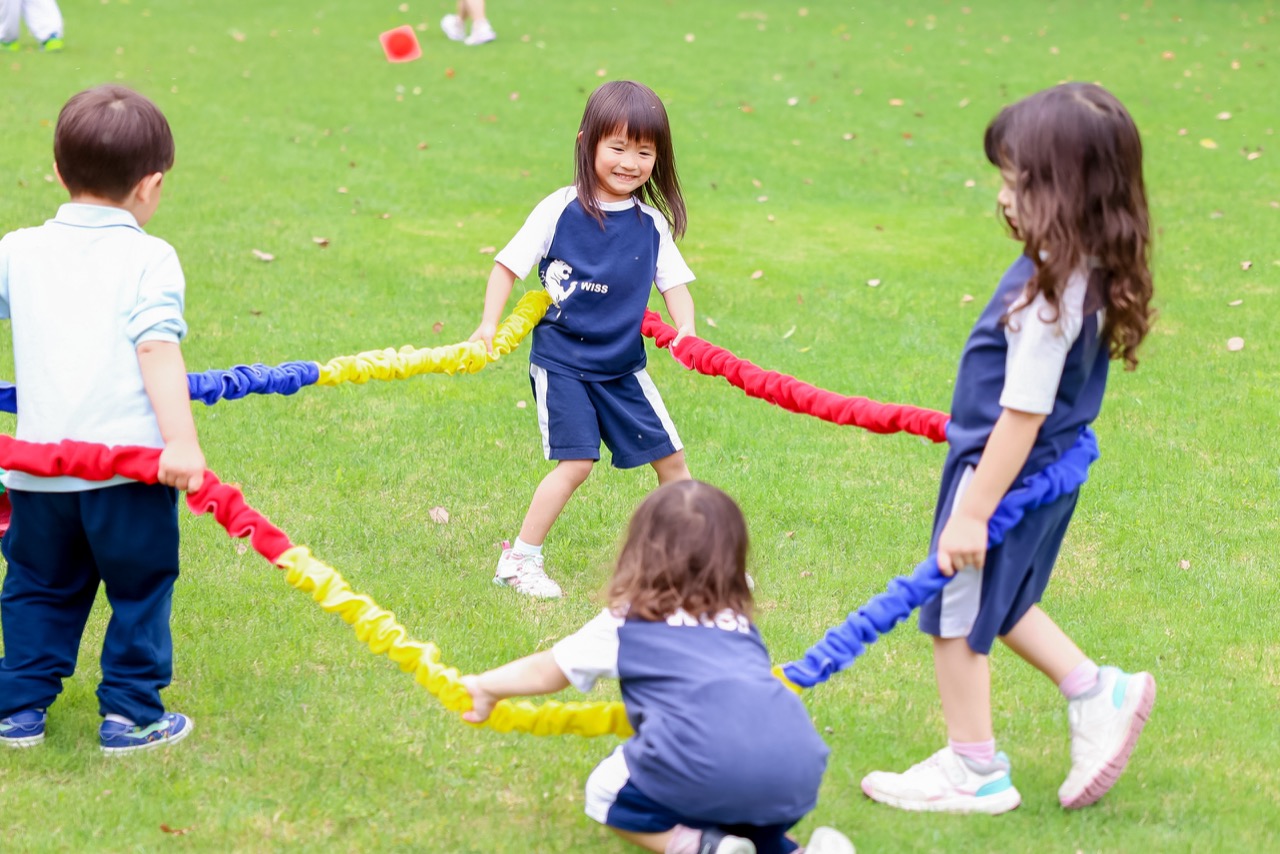
Empathy is one of the most important skills a child can develop—and like any skill, it requires practice.
Summer provides the perfect opportunity to help children understand that they can make a positive difference in the lives of others.
It doesn't need to be a large project. Helping an elderly neighbour carry groceries. Picking up litter during a family walk. Baking treats for a friend who is having a difficult week.
Small actions teach a powerful lesson: the world is bigger than ourselves, and every person has the ability to contribute to it.
Children who learn to serve others become kind to others. They develop confidence, perspective, and a sense of purpose that no academic programme can manufacture.

A Summer Worth Remembering
When September arrives, your child may not remember every worksheet they completed.
But they will remember the fort they built, the invention they created, the insects they discovered, and the people they helped.
They will return to school with stories to tell, experiences to share, and a stronger sense of who they are.
That's what a summer well spent looks like.
This summer, create opportunities for curiosity, creativity, and connection.
Because cookie-cutter summers with math drills often produce cookie-cutter outcomes.
And your child deserves so much more than that.