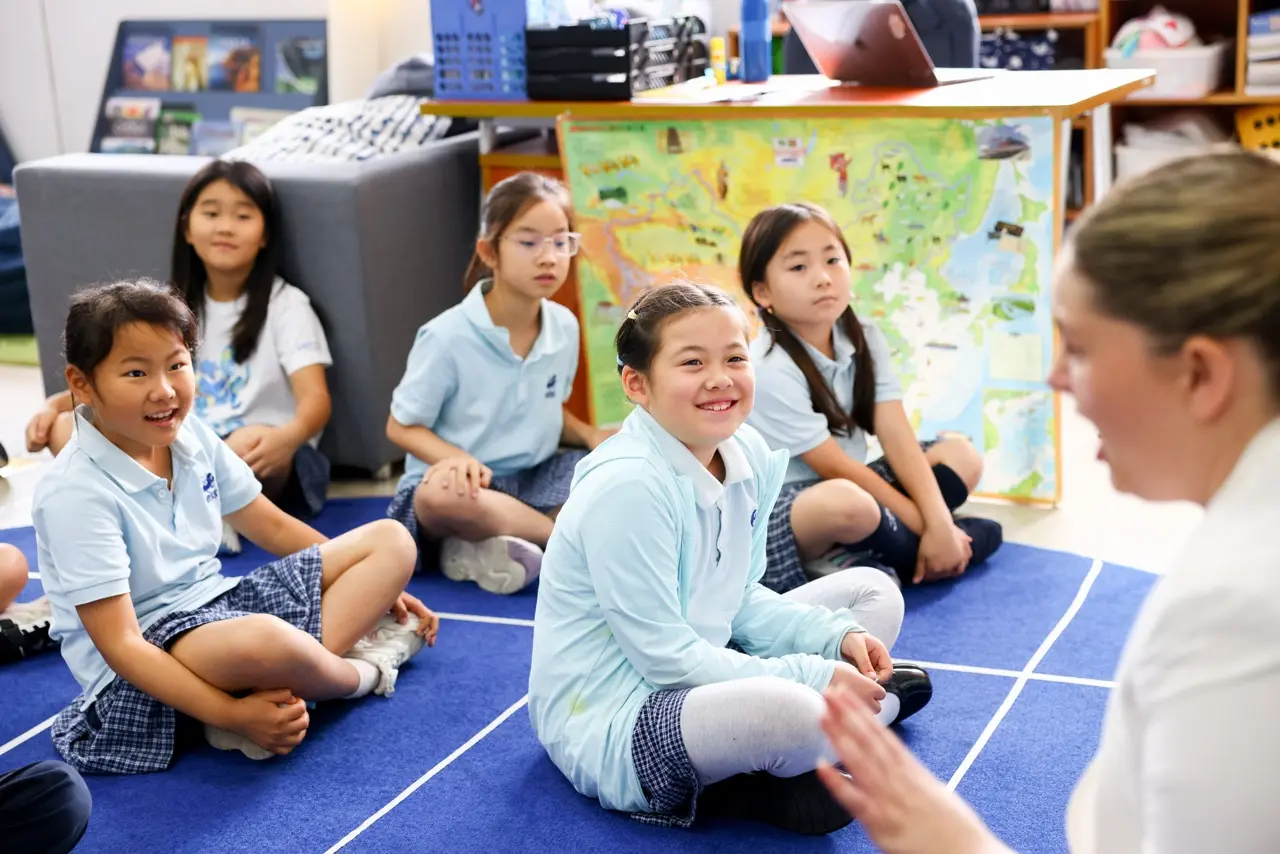
This is Theory of Knowledge (TOK): one of the three core components every IB Diploma student must complete, and arguably the one that changes the way they think most profoundly. Rather than covering new content, TOK invites students into genuine philosophical territory — exploring questions like: What counts as good evidence? When should we trust an expert? How much does our own perspective shape what we believe to be true?
These are questions with no easy answers. And that's precisely the point.
One of TOK's two assessed components is the Exhibition — a deeply personal project in which each student selects three objects from the real world and uses them to illuminate a central question about knowledge. It asks students to find meaning in the everyday: a photograph, a news headline, a scientific instrument, a piece of music. The results are consistently surprising, thoughtful, and often genuinely moving.
We recently held our IB TOK Exhibition, and the standard of thinking on display was genuinely impressive. Afterwards, two of our students sat down to share what the TOK course has meant to them, and what the Exhibition experience was really like — from the inside.
Their enthusiasm is real. Their reflections are their own. We think you'll enjoy hearing them.